

In the ever-shifting panorama of oncology, investigators and medical consultants unceasingly seek groundbreaking and efficacious therapies to combat most cancers. Among the auspicious contenders lies Methylene Blue, an exceptionally versatile and well-acknowledged compound with an intensive legacy spanning various domains. Beyond its conventional utilization as a dye and pharmaceutical agent, Methylene Blue has recently engrossed the attention of oncologists by advantage of its profound potential in cancer remedy. In the ensuing exposition, we plunge into the prevailing implementations of Methylene Blue in oncology and embark on an odyssey via the exhilarating prospects it holds for the occasions to come.
Understanding Methylene Blue: From Dye to Medicine
Originally found within the mid-19th century as a textile dye, Methylene Blue quickly discovered its method into the medical world as a result of its unique properties. As a drugs, it has been used to deal with conditions corresponding to methemoglobinemia and malaria. Its capacity to behave as an antioxidant and anti inflammatory agent has additionally been recognized, making it a valuable asset in managing varied medical illnesses.
Methylene Blue's Impact in Oncology
In recent years, researchers have shifted their focus towards investigating Methylene Blue's potential in oncology. Studies have revealed its promising anti-cancer properties, notably in the following areas:
1. Photodynamic Therapy (PDT): Methylene Blue has demonstrated efficacy as a photosensitizer in PDT, a non-invasive therapy modality that utilizes gentle to activate the compound selectively in most cancers cells. Once activated, it generates reactive oxygen species, resulting in the destruction of malignant cells while sparing healthy tissue. PDT has shown promising leads to certain types of most cancers, corresponding to skin most cancers and early-stage lung cancer.
2. Antiproliferative Effects: Preclinical studies have indicated that Methylene Blue exhibits antiproliferative effects on numerous most cancers cell strains. Great site interferes with most cancers cell division and growth, slowing down tumor progression. Further analysis is underway to grasp the underlying mechanisms and to identify the precise most cancers sorts that may benefit from this remedy strategy.
three. Neuroprotective Properties: Methylene Blue's neuroprotective skills have additionally been explored in the context of cancer remedy. It has shown potential in mitigating chemotherapy-induced cognitive impairment, generally referred to as "chemo mind." By protecting brain cells from oxidative stress and irritation, it might improve the quality of life for most cancers survivors.
4. Targeted Drug Delivery: Researchers are investigating Methylene Blue's role as a car for focused drug delivery. When mixed with nanoparticles or liposomes, it could enhance the supply of chemotherapy brokers particularly to cancer cells, minimizing off-target effects and lowering total toxicity.
Future Possibilities in Methylene Blue Research
As the body of proof supporting Methylene Blue's anti-cancer potential continues to grow, the long run holds exciting possibilities for its purposes in oncology. Some areas of curiosity embody:
1. Combination Therapies: Methylene Blue's compatibility with different therapy modalities, such as immunotherapy and focused therapies, might open doors to innovative mixture remedies that would significantly enhance affected person outcomes.
2. Personalized Medicine: Advancements in understanding the genetic and molecular characteristics of individual tumors might lead to personalized Methylene Blue-based therapies tailored to the precise needs of every patient.
3. Overcoming Drug Resistance: Methylene Blue's distinct mechanisms of motion might potentially handle drug resistance, a significant problem in most cancers remedy. Its capability to target multiple pathways might render it efficient in opposition to drug-resistant cancer cells.
4. Compounding Pharmacy Sydney CBD and Regulatory Approval: Encouraged by the promising preclinical information, researchers are working towards initiating medical trials to assess Methylene Blue's security and efficacy in most cancers patients. Successful trials may pave the greatest way for regulatory approval and the combination of Methylene Blue-based therapies into normal oncological protocols.
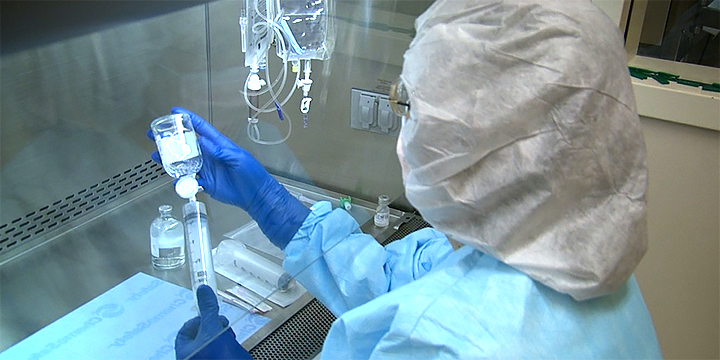
Methylene Blue, as soon as identified primarily as a dye, has emerged as a compelling candidate in the area of oncology. Its multifaceted properties, starting from photodynamic remedy to antiproliferative effects, have captured the eye of researchers and oncologists alike. As ongoing research continues to unravel its potential applications, Methylene Blue holds the promise of revolutionizing cancer treatment and improving the lives of countless patients. While challenges stay, the dedication and ingenuity of the scientific group will undoubtedly drive progress in harnessing the ability of Methylene Blue towards most cancers, bringing hope for a brighter and more healthy future..