

Why you can't just go ahead and build your conservatory
Occasionally you'll notice a news story in regards to a property dispute between neighbours. This can be anything from the height of a hedge between them to the building of a conservatory. In case you are considering the latter, be familiar with the Party Wall Act 1996. Making certain you refer to this before building can save an awful lot of hassle later. Here's a quick guide to the main element points...
What is it?
The Party Wall Act 1996 regulates what you can and cannot do when building either on section of, or close to, a neighbour's property. You should refer to it if you are planning to build a conservatory which would involve:
? an existing wall or structure distributed to another property
? a free of charge standing wall around or astride the boundary to your neighbour's property
? excavating near a neighbouring building to create your foundations
The fence that isn't actually a fence
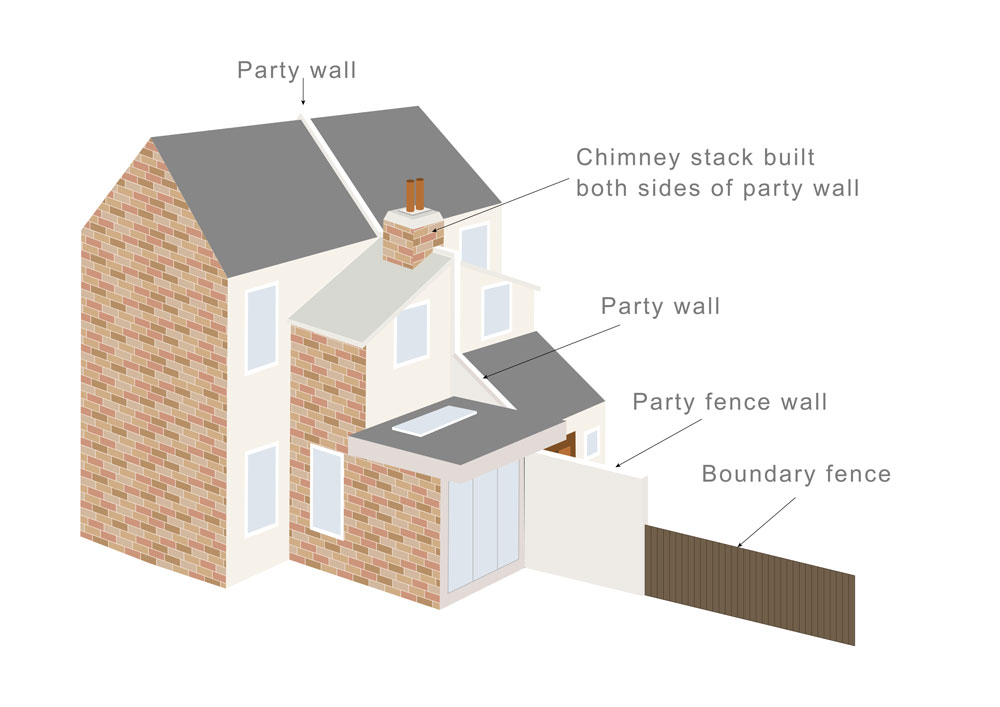
The word Party Wall Fence actually identifies a wall which doesn't form part of a building but does straddle the boundary between you as well as your neighbour. If you are planning to build against this, or excavate within three metres of it, there is action you need to take.
Look at this website
At least 8 weeks before work starts, you need to give your neighbour the official notice, containing information such as for example:
? Check out this site , address, and owners of the house
? statement that it is being served under the terms of this act
? complete description and proposed start date of work
? date of serving the notice
? what happens if there is a dispute
Just having a speak to your neighbour isn't sufficient. They can agree to work starting earlier, but don't have to. Your builder or architect, making use of their experience, should deal with this for you. Your neighbours have 2 weeks to provide written permission or register dissent. If they don't reply, you move to...
A CELEBRATION Wall Dispute
A surveyor or surveyors is appointed to determine a good and impartial award. Each party can appoint their own or agree to just one single. After the making of an award, if this doesn't settle the dispute, all parties can interest a County Court.
Once agreement is reached
All work must comply with the notice. Keep your copy; in the event that you later sell the house, a prospective owner may wish to check it.
Final words
This can be a very basic guide. There's more detail in a free 42-page booklet from the Department for Communities and MUNICIPALITY. If all this seems a headache, it's surely infinitely better the alternative!
Ultraframe are specialist designers and manufacturers of conservatories and orangeries