

Code QA" commonly refers to Quality Assurance processes and activities associated with typically the codebase of an application application. Quality Peace of mind (QA) in computer software development involves methodically making certain the application meets specified demands and functions reliably. Code QA centers specifically on the quality of the resource code, aiming to identify and correct defects, improve maintainability, and adhere to coding standards. https://cannon-hays.federatedjournals.com/organization-software-refers-to-software-applications-specifically-designed-to-meet-the-requirements-of-large-companies-often-referred-to-as-enterprises are key aspects related to signal QA:
Code Testimonials:
Conducting systematic testimonials of source computer code by peers or perhaps senior developers to ensure adherence to be able to coding standards, ideal practices, and recognize potential issues.
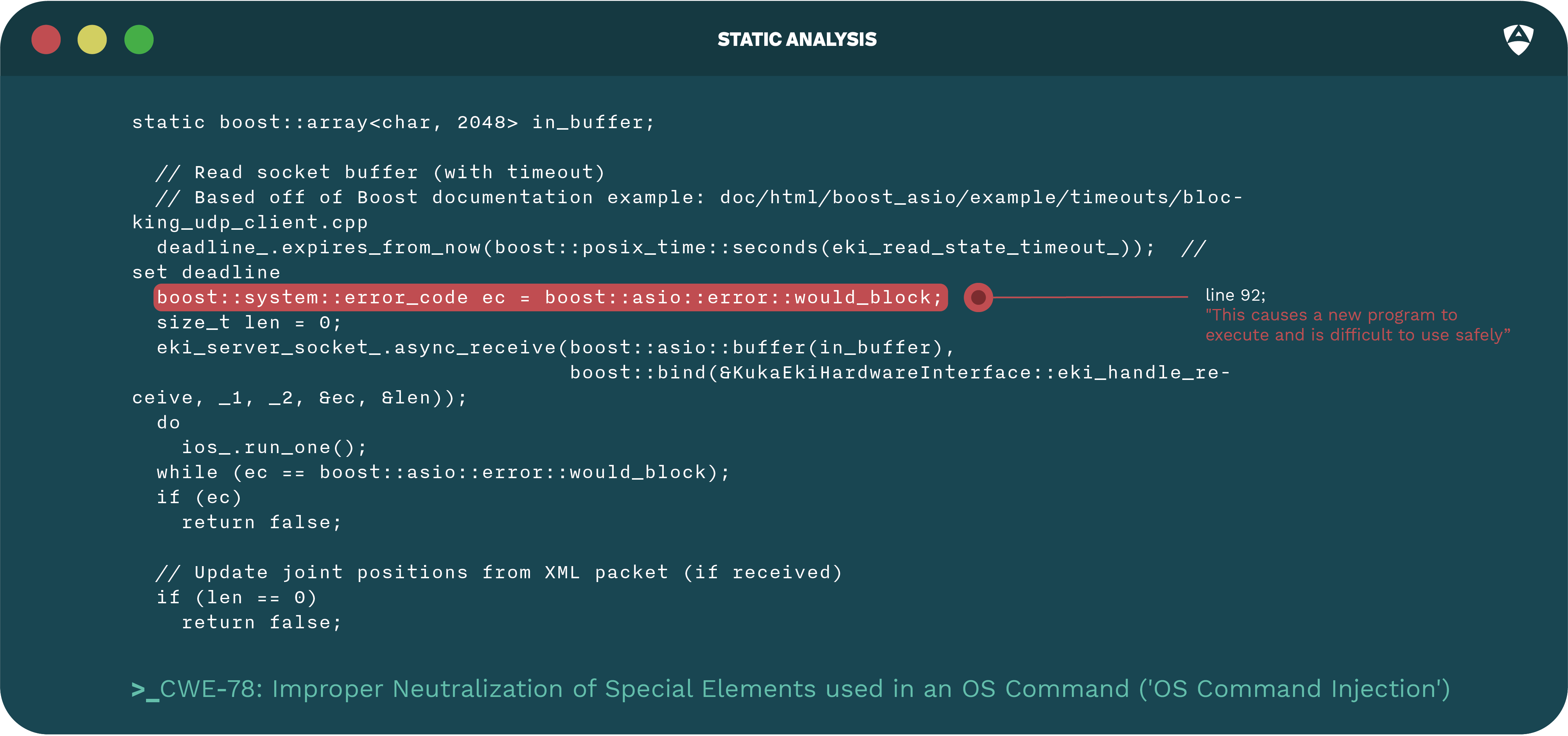
Permanent Code Analysis:
Using automated tools to analyze the source code without executing it. Static code evaluation helps identify concerns such as code scents, potential bugs, and even adherence to code standards.
Unit Tests:
Developing and executing unit tests to verify the correctness regarding individual units or even pieces of the code. Unit tests are crucial intended for catching defects early on inside the development method.
Code Coverage:
Calculating the extent in order to which the original source program code is exercised by simply automated tests. Computer code coverage metrics help assess the diligence of testing initiatives.
Integrtion Testing:
Confirming the interaction involving different components to assure they work jointly as intended. Incorporation tests are essential for detecting concerns that may happen when different pieces of the signal are combined.
Automation Testing:
Developing and maintaining automated testing to continuously validate the functionality and gratification of the program code. Automated testing will help catch regressions and even ensures consistent top quality.
Peer Programming:
Collaborative programming where 2 developers work jointly on the same item of code. This particular practice can improve code quality by way of real-time feedback in addition to knowledge sharing.
Computer code Standards and Rules:
Establishing and enforcing coding standards and guidelines to make sure consistency through the codebase. no code test automation includes features like naming exhibitions, code structure, and documentation.
Continuous Integration (CI) and Constant Deployment (CD):
Integrating QA processes directly into CI/CD pipelines in order to automatically build, test, and deploy program code changes. This ensures that new code modifications do not present defects and can be reliably deployed.
Code Refactoring:
Restructuring and improving the existing code without modifying its external habits. Code refactoring is completed to enhance maintainability, readability, and general code quality.
Problem Tracking:
Monitoring in addition to managing defects or issues identified in the course of testing. Defect tracking helps prioritize and address issues successfully.
Documentation:
Maintaining thorough documentation for the particular codebase, including in-line comments, README data, and other pertinent documentation to aid developers and various other stakeholders.
Code QA is an crucial part of typically the broader the good quality assurance method in software enhancement. By centering on the particular quality of typically the source code, companies can produce more reliable and maintainable software program while reducing the probability of defects and bettering overall development performance.