

Calibrating a course of meter is an important step in ensuring correct and reliable measurements.
Understand the Meter's Specifications:
Familiarize your self with the producer's specifications and tips for calibration. This data is typically found within the consumer guide or technical documentation.
Gather Calibration Equipment:
Obtain the necessary calibration tools, including a calibrated reference normal or calibration source, multimeter, signal generator, and any other instruments specified by the meter's producer.
Select Calibration Points:
Identify the important factors on the meter's measurement scale that need calibration. These points are often specified in the user guide.
Prepare the Meter:
Ensure that the process meter is clean and free from any contaminants that will affect its performance. Check for bodily injury, free connections, or any other issues.
process meter calibration Up the Meter:
Power up the meter and allow it to stabilize. Some meters may require a warm-up interval to attain correct readings.
Connect Calibration Equipment:
Connect the calibration tools to the process meter. For instance, if calibrating a current loop, join the signal generator in collection with the meter.
Adjust Zero Point:
Begin by calibrating the zero level. Adjust Click here for more till it matches the reference standard or supply.
Take a look at the site here :
Calibrate the span by adjusting the meter's full-scale studying to match the reference commonplace or supply.
Mid-Scale Calibration (if applicable):
If the method meter has a mid-scale level, calibrate it as well utilizing the suitable reference.
Verify Calibration:
After making changes, double-check the calibration at every level to ensure accuracy. This might contain multiple iterations of changes.
Document Calibration:
Record the calibration settings and outcomes. This documentation is essential for future reference and for compliance with high quality management methods.
Perform a Final Check:
Conduct a ultimate verify to guarantee that the meter operates within specs throughout the whole vary.
Seal or Lock Calibration Adjustments (if applicable):
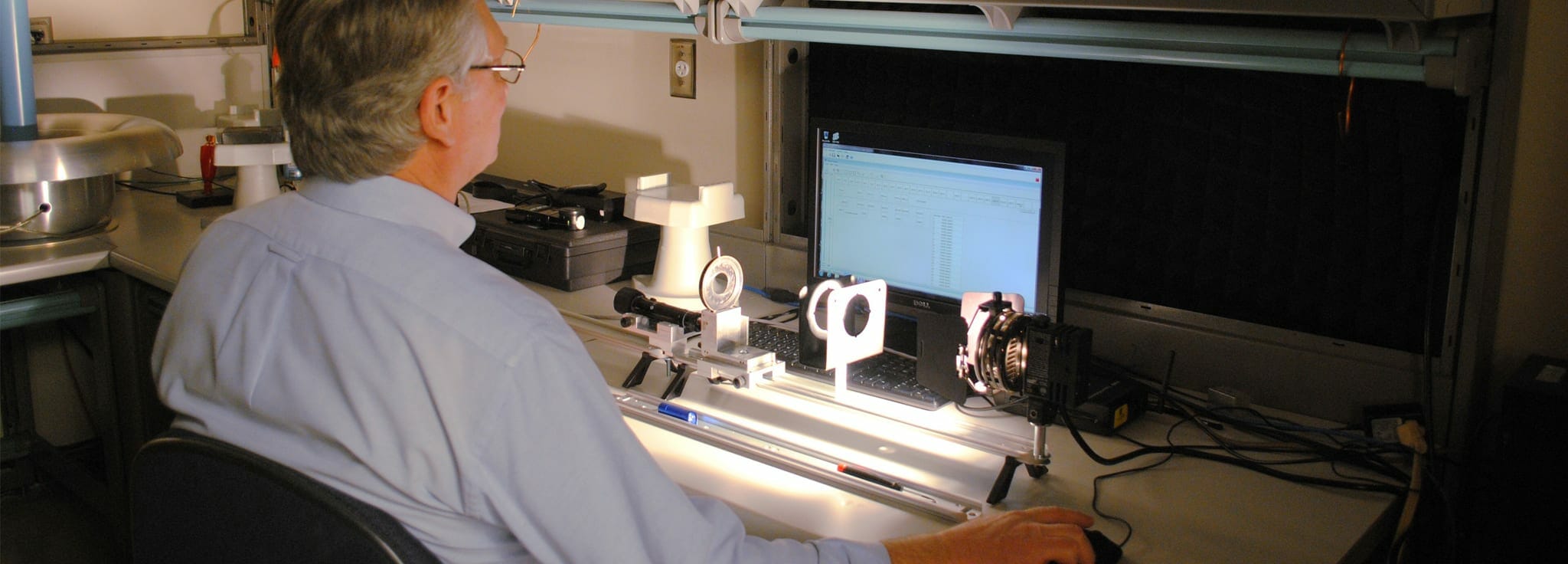
Some meters have mechanisms to forestall unintended changes after calibration. If obtainable, seal or lock these changes to take care of calibration integrity.
Issue Calibration Certificate (if required):
In some industries, a proper calibration certificate could also be needed. Ensure that you simply comply with any related rules or standards for issuing such certificates.
Schedule Regular Calibration:
Establish a schedule for normal calibration to make sure ongoing accuracy and reliability of the process meter.
Remember, particular procedures may differ primarily based on the type of course of meter and the manufacturer's recommendations, so always refer to the system's documentation for correct steering. If you would possibly be not sure or if the process is complicated, think about consulting with a professional technician or the manufacturer's help staff..