

Most people discover the thought of coping with party wall issues a daunting prospect. The Party Wall Etc Act has many connotations, so it's no surprise that lots of people have problems with it.
Things can become a lot more convoluted in major cities like London, that have many period properties and buildings in close proximity to each other. It is vital that these issues are handled properly.
Explaining the Party Wall etc Act 1996
The Act provides rights and responsibilities whichever side of the 'wall' you're on. For the party undertaking the work the Act offers rights not afforded by common law, such as for example access onto the neighbours land to handle some or each of the proposed works, or provide temporary works (e.g. scaffolding) during the works.
It is very important understand the Act whether it's you or your neighbour who proposes to handle work on shared or near by structures. The Act covers work on structures such as shared walls, floors/ceilings of flats, garden walls, and excavations near a neighbouring property.
The general principle of the Act is that all work which might have an effect upon the structural strength or support function of a party wall or may cause damage to the neighbouring side of the wall should be notified.
Some of work included in the Act is the following:
Demolishing and/or rebuilding a party wall.
Increasing the height or thickness of a PW
Cutting into the PW to take load bearing beams.
Underpinning a PW.
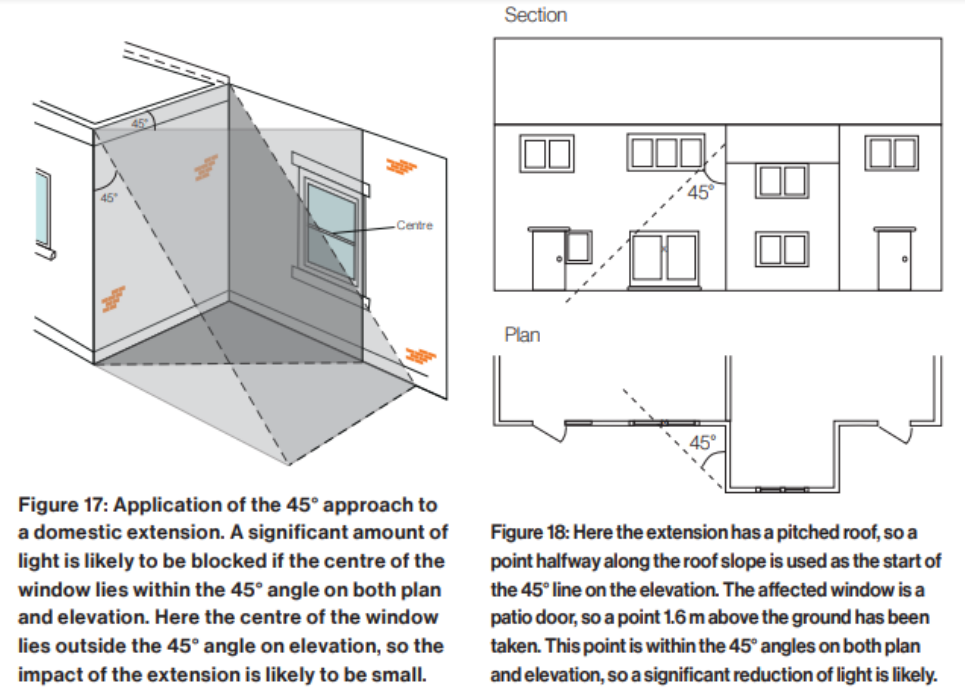
Learn here within 3 metres of a neighbouring building where the excavation will go below underneath of the foundations of the neighbouring building.
Excavations within 6 metres of a neighbouring building where in fact the excavation will go below a line drawn 45� downwards from underneath of the foundations of the neighbouring building.
Work that is not included in the Act includes adding shelves and wall units, replastering and electrical rewiring.
If https://canvas.instructure.com/eportfolios/2466563/Home/Exactly_what_is_a_Party_Wall planned work on an existing structure falls under the Act, you need to then issue a notice to all affected neighbouring parties. The neighbouring parties must then decide whether they wish to dispute the notice or not.
As with all work affecting neighbours, it will always be better to reach a friendly agreement. Even where in fact the work takes a notice to be served, it is better to informally discuss the intended work, consider the neighbours comments, and when practical amend your plans accordingly.